Showing posts with label Aigues Mortes. Show all posts

Wednesday, October 7, 2009

Le Grau de Roi

On his way out to sea from Aigues Mortes, Saint Louis would have first had to navigate a narrow inland channel, called a grau. Along the way, his view would probably have been similar to the one that modern visitors enjoy. Riverside reeds provide a habitat for feeding flamingos. Camargue bulls graze on dry plains between the marshes. Farmers store their sea-salt harvest in tall mounds. With the exception of some sprawling harbor communities near the city, local managers have done a good job of preserving the unique natural habitat.

picture0060

Finally the waterway, cuts through le Grau de Roi, so named in honor of Saint Louis’ first passage, and spills into the Mediterranean. Today, the city is a major tourist destination. The canal through town is lined with restaurants, offering the day’s freshest catch. Further inland, the city streets provide a menagerie of traditional tourist trinkets and apparel. The rows of Slushie machines reminded me of Bourbon street.

picture0029

An expansive sandy beach stretches for miles along the coast. However, except for the ocean channels dug to allow the fishing fleet to exit to the sea, the water level is low. At low tide, it’s possible to walk all the way out to the breakwaters, several hundred meters out from the boardwalk. Developers have seized on the opportunity to build along the beach and erected all sorts of odd pyramid and wave-form shaped time-share buildings.

Fortunately, we visited on an off-season weekend. This allowed us to stay in an excellent high-end hotel (3 Logis lamps!). But, most importantly, it meant that the traffic and crowds were manageable. Given the vast numbers of condos, I could not imagine visiting in season.
Reblog this post [with Zemanta]

Tuesday, September 29, 2009

Aigues Mortes

Before embarking on his famous but ultimately futile crusades, Saint Louis (King of France) realized that his nation didn't have a suitable Mediterranean port. The spot he chose for his new naval fortress was located in the salt marshes of the Camargue. This region was largely considered uninhabitable at the time. Cholera and pestilence were spread by mosquitoes bred in the still waters. The locals called it Aigues Mortes, meaning dead water.

picture0044

Unswayed by difficulties in encouraging workers, settlers and soldiers to relocate to the region, he pressed on and re-construction of the town was completed around 1248. The fortress city was expanded by later French Kings.

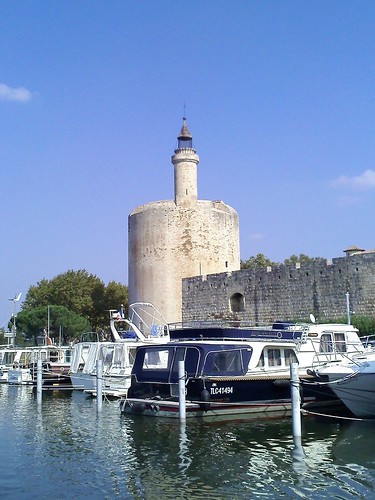
Only the Constance Tower remains of Louis' original fortifications. Its thick walls are considered impregnable, perfect for a prison. Following revocation of the Treaty of Nantes, which had granted Calvinists some freedoms in Catholic France, Aigues Mortes' walls were used to imprison the protestants. The tower of Constance was duly named after a female inmate who spent 38 years in captivity.

Over time, the shifting alluvial basin of the Rhone rendered the port of Aigues Mortes unnavigable to ocean-going vessels. This, in effect, served to preserve the medieval city. Its now regarded as one of the most complete medieval naval fortresses in Europe. As such, its a huge tourist draw. The crusader armies have been replaced by legions of retirees. Instead of riding horses through the city streets, tourists can board the senior train for a guided tour in five languages.

picture0035

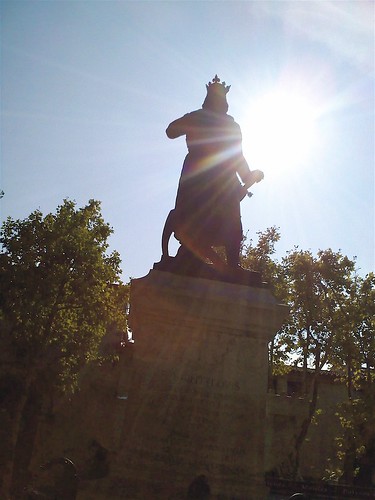
Despite its dangerous past and touristy present, Aigues Mortes is a unique and enjoyable city. After wandering around the ramparts, it's best enjoyed with a crêpe and café in the central square right in front of the statue of Saint Louis.


Reblog this post [with Zemanta]
 
Creative Commons License
This work by Ken Maschke is licensed under a Creative Commons Attribution-Share Alike 3.0 United States License.